Kampala has more fake perfume than real. Some of it is harmless and disappears in an hour; some of it burns. Here is how to check before money changes hands.
The price floor
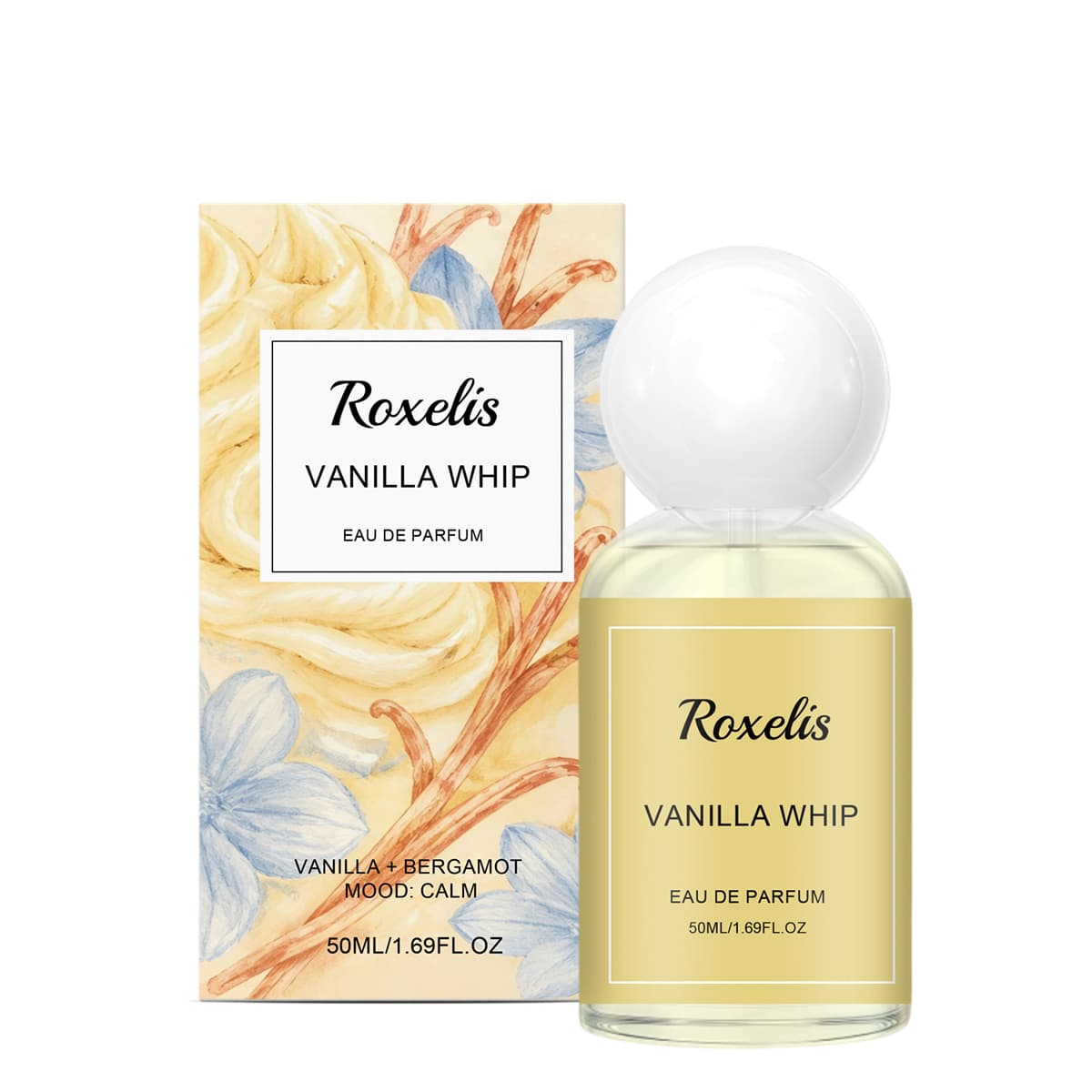
A genuine 100 ml designer eau de parfum lands in Uganda at UGX 250,000 and up. A genuine 50 ml at UGX 150,000 and up. A "designer" 100 ml at UGX 40,000 is not a bargain, it is a different liquid in a copied bottle. The honest alternative at that price is an inspired-by or an own-brand fragrance that says so on the label, like our vanilla and floral eau de parfums at UGX 25,000 to 45,000. They are not pretending, and they last.
Six checks
- Cellophane. Real boxes are wrapped tight with a neat seam. Loose, thick, or bubbly wrap is a repack.
- Batch code. A real bottle has a code printed or engraved on the bottom that matches the code on the box. No code, or a sticker code, is a fake.
- The glass. Genuine bottles are heavy, with clean edges and no bubbles. Fakes are lighter and the base is often slightly crooked.
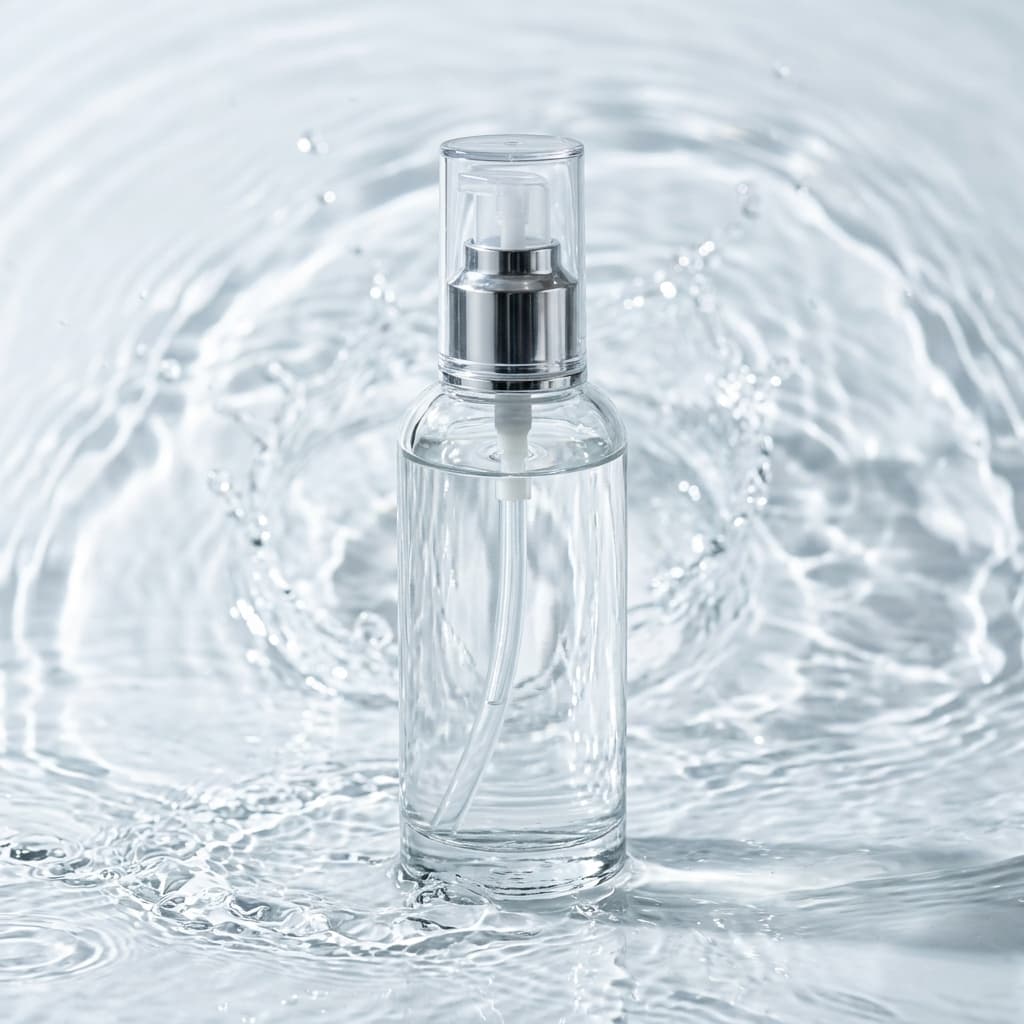
- The spray. A real atomiser gives a fine, even mist. A fake squirts or drips.
- The dry-down. Spray on your wrist and wait ten minutes. Fakes smell right for the first minute, then turn sour or vanish. A real fragrance changes but stays.
- Colour. Compare against a photo from the brand's own site. Fakes are often darker because of added dye.
What a fake does
Most fakes use cheap alcohol and fixatives that are fine on a shirt and harsh on skin. Itching, a rash on the neck, or headaches after applying are the common complaints. If a perfume has ever given you a rash, that bottle was probably not what it claimed.
Buying online
Ask the seller two questions: is this the original brand or an inspired-by, and can I see the batch code. A seller who answers plainly is the one to buy from. We label ours as what they are, deliver in a plain parcel across Uganda, and you can return a sealed bottle within 7 days if it is not what you expected.